alukovinyl01
In the world of canine fitness, ensuring our dogs receive adequate and appropriate exercise is a cornerstone of responsible ownership. While traditional walks, runs, and play are irreplaceable, supplemental tools can be incredibly valuable, especially under challenging circumstances. Among these tools, the non electric dog treadmill stands out for its unique advantages. It is crucial to distinguish it from its motorized cousins and similar equipment like the slatmill for dogs. While both provide excellent indoor exercise, a non electric dog treadmill is specifically powered by the dog’s own movement, creating a distinct experience with a set of compelling benefits centered on safety, adaptability, and mental enrichment.
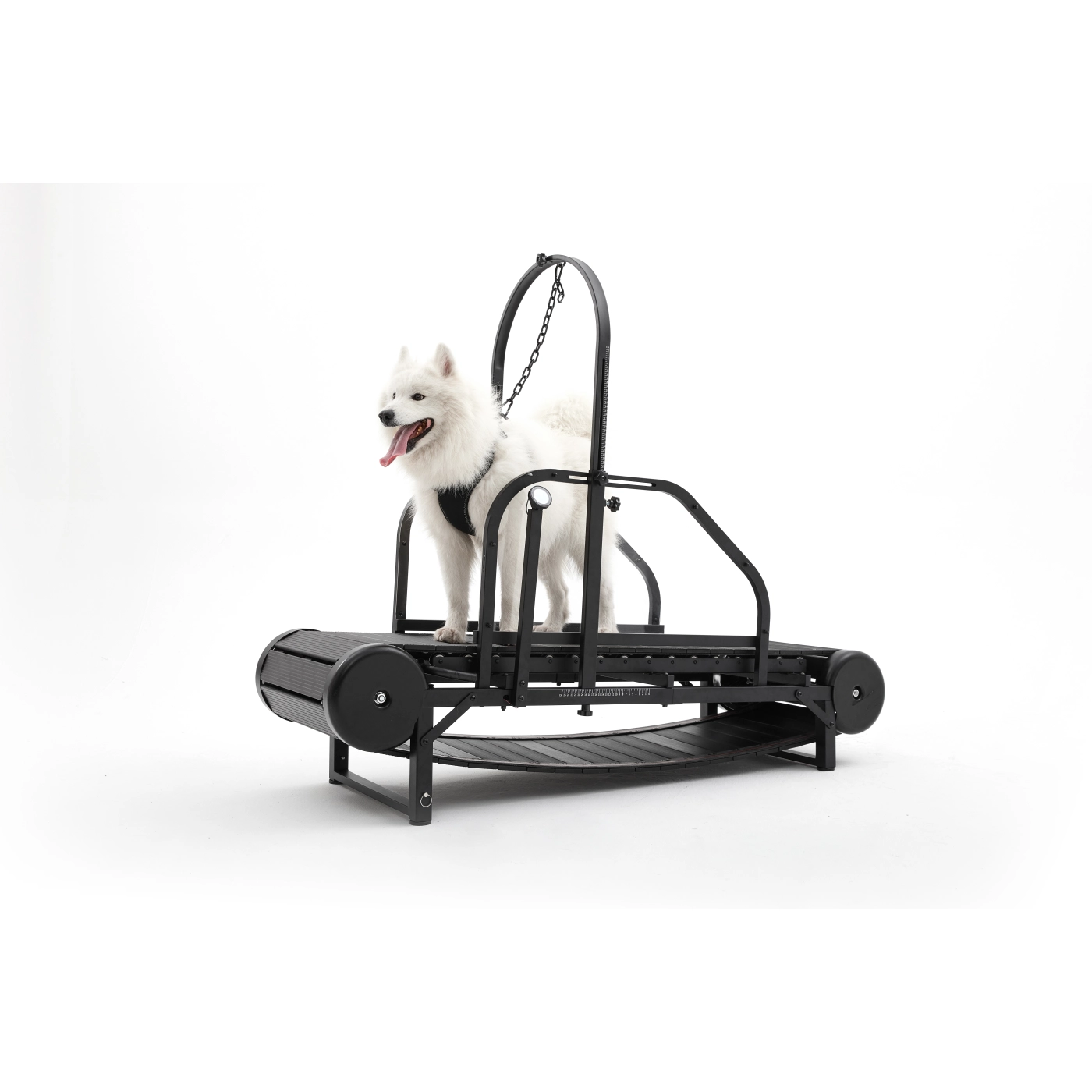
Understanding the basic mechanics clarifies its primary appeal. A non electric dog treadmill, often resembling a modified slatmill, features a moving belt or slats that rotate freely on a drum. The dog’s walking or running motion drives the belt backward, allowing for a self-powered workout. This differs from some slatmill for dogs designs, which can be either passive (non-electric) or motor-assisted. The purely passive, non-electric design eliminates external power sources and motors, which immediately leads to its most significant benefit: inherent safety.
The foremost benefit of a non-electric treadmill is its superior safety profile. Without a motor, there is no risk of electrical malfunction, unexpected speed surges, or the dog being forced to keep pace with a machine. The dog entirely controls the speed. If they stop, slow down, or misstep, the belt simply stops moving. This built-in safety mechanism drastically reduces the risk of injury, strain, or panic, making it an excellent choice for cautious dogs, beginners in treadmill training, or owners who prioritize a fail-safe environment. This self-regulating aspect encourages a more natural and less stressful workout, as the dog is never outpaced by an unrelenting mechanical belt.
Building on this safety is the benefit of promoting a natural gait and building endurance efficiently. On a motorized treadmill, a dog may alter its stride to match a preset speed, potentially leading to an awkward or unbalanced posture. On a non-electric version, the dog must engage its core and hindquarters to propel the belt, mirroring the natural mechanics of moving forward on the ground. This encourages a full, powerful range of motion, strengthening muscles uniformly and improving proprioception. It provides a consistent, low-impact surface ideal for building cardiovascular endurance and muscular strength without the joint stress of hard pavement, making it superb for general fitness conditioning.
Another paramount advantage is its utility in weight management and controlled rehabilitation. Obesity in dogs is a widespread health issue, and exercise plans can be thwarted by bad weather, owner schedules, or physical limitations. A non-electric treadmill offers a reliable, weather-proof solution for daily calorie-burning sessions. For veterinarians and canine physiotherapists, it is an invaluable rehabilitation tool. Recovering from surgery or injury often requires strict exercise control—precise, limited, and on a consistent surface. The non-electric treadmill allows for controlled, slow, and short sessions where the dog sets a comfortable pace, preventing re-injury. It is commonly used for controlled walking exercises to rebuild muscle after ACL repairs or hip surgeries.
Beyond the physical, the mental and behavioral benefits are substantial. Dogs require not just physical exertion but also mental stimulation. Learning to use the treadmill provides a cognitive challenge, building focus and confidence. For high-energy or working breeds, a solid session on the treadmill can help satisfy their drive to “work” and perform a task, leading to a calmer, more content dog indoors. This can be a constructive outlet for dogs with behavioral issues rooted in boredom or excess energy, complementing training and enrichment strategies.
Furthermore, the convenience factor for the owner cannot be overstated. Modern life presents numerous barriers to consistent long walks: extreme heat, freezing temperatures, heavy rain, poor air quality, or hectic work schedules. Having a home-based non-electric treadmill ensures a dog’s exercise routine remains uninterrupted. It is also a boon for households with multiple dogs, allowing for individual exercise sessions regardless of time of day or weather. This consistency is vital for a dog’s overall well-being and routine.
Finally, these treadmills offer simplicity and sustainability. They require no electricity, leading to zero operating costs and the ability to place them anywhere, from a garage to a living room. They have fewer mechanical parts than motorized units, which often translates to greater durability, lower maintenance, and a longer lifespan. The quiet operation is a significant plus, creating no noise disturbance for households or neighbors.
In conclusion, the primary benefits of a non-electric dog treadmill form a comprehensive package for enhancing canine health. It provides a safe, self-regulated, and low-impact form of exercise that builds strength and endurance naturally. Its applications range from effective weight management and crucial controlled rehabilitation to providing essential mental stimulation and unmatched convenience for the owner. By harnessing the dog’s own power, it offers a sustainable, quiet, and intuitive fitness tool that reliably supplements a dog’s active life, ensuring they receive the vital exercise they need regardless of external circumstances.
Maybe you like:
non electric dog treadmill
slatmill for dogs
dog treadmill for sale
non motorized dog treadmill