alukovinyl01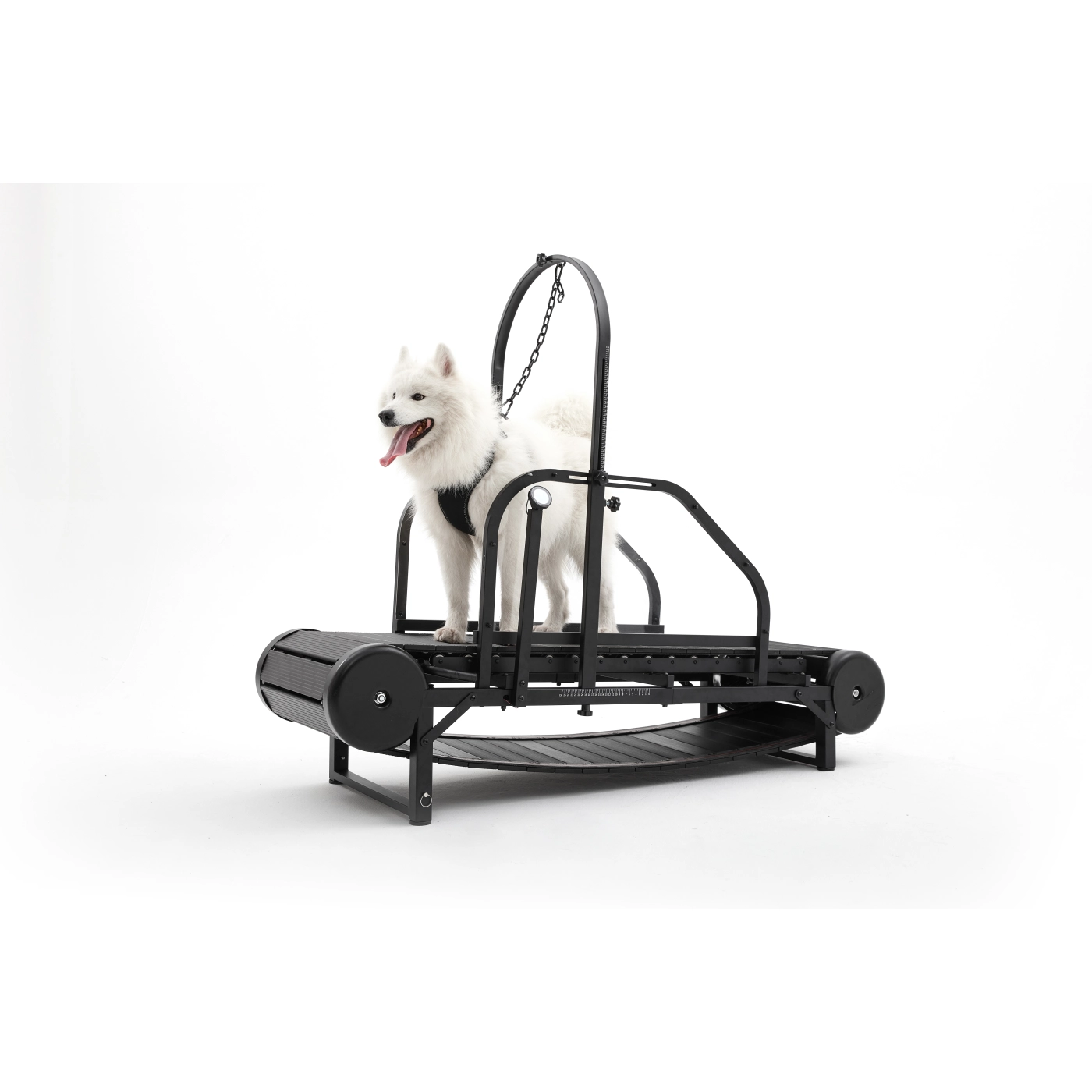
Proper maintenance is essential to extend the lifespan of a non electric dog treadmill and ensure it remains safe for your pet to use, especially if you purchased it from a dog treadmill for sale platform. Unlike electric models, non electric dog treadmill relies on mechanical components and manual operation, so its maintenance focuses on preserving structural integrity, reducing friction, and keeping it clean from pet hair and debris. Neglecting regular upkeep can lead to squeaky parts, loose connections, or even damage that renders the treadmill unusable, which is a waste of your investment in a dog treadmill for sale. By following a consistent maintenance routine, you can keep the treadmill in optimal condition for years, providing a reliable exercise tool for your dog.
Cleaning is the foundation of maintaining a non electric dog treadmill, and it should be done after each use to prevent buildup. After your dog finishes exercising, wipe down the running surface with a damp cloth to remove sweat, dirt, and hair. For stubborn stains, use a mild, pet-safe detergent—avoid harsh chemicals that could irritate your dog’s paws or damage the treadmill’s material. If the dog treadmill for sale you bought has a mesh or fabric component, gently vacuum it to pick up embedded hair. Additionally, check the gaps between the running belt and the frame, as these areas are prone to collecting debris. Regular cleaning not only keeps the non electric dog treadmill hygienic but also prevents debris from interfering with its mechanical parts.
Inspecting mechanical components regularly is another key aspect of non electric dog treadmill maintenance. Most dog treadmill for sale models have hinges, springs, and adjustment knobs that need periodic checks. Tighten any loose screws or bolts using the tools provided with the treadmill—loose parts can cause instability during use, posing a risk to your dog. Check the running belt for signs of wear, such as fraying edges or thinning material. If the belt is loose, adjust it according to the manufacturer’s instructions; a loose belt can slip and affect the treadmill’s functionality. For non electric dog treadmill with wheels, inspect the wheels for wear and ensure they roll smoothly without squeaking. Addressing minor mechanical issues promptly can prevent them from escalating into major problems.
Lubrication is crucial for non electric dog treadmills, as it reduces friction between moving parts and prevents premature wear. Before lubricating, refer to the manufacturer’s guidelines to determine the appropriate type of lubricant—some models require silicone-based lubricants, while others may need mineral oil. Avoid over-lubricating, as excess lubricant can attract dust and debris. Apply a small amount of lubricant to the hinges, belt tracks, and any other moving components, then wipe off any excess with a clean cloth. Lubricate the treadmill every 4 to 6 weeks, or more frequently if it is used daily. This simple step can significantly extend the lifespan of the treadmill and ensure smooth operation.
Proper storage also plays a role in maintaining a non electric dog treadmill. If you do not use the treadmill regularly, store it in a dry, cool area away from direct sunlight and moisture. Sunlight can fade and weaken the treadmill’s material, while moisture can cause rust on metal components. If the treadmill is foldable, fold it according to the manufacturer’s instructions to save space and protect it from damage. Avoid placing heavy objects on top of the folded treadmill, as this can bend or break its frame. For treadmills with removable parts, such as side rails or safety bars, store these parts in a secure place to prevent loss or damage.
Periodic deep cleaning is recommended every 3 to 4 months to keep the non electric dog treadmill in top condition. Disassemble the treadmill partially—following the manufacturer’s steps—to access hard-to-reach areas, such as the inner frame and mechanical connections. Use a brush to remove accumulated dust and debris, then wipe all parts with a damp cloth. Inspect the frame for signs of rust or corrosion, especially if the treadmill is used outdoors occasionally. If rust is present, gently sand it off and apply a rust-resistant spray to prevent further damage. After deep cleaning, reassemble the treadmill carefully, ensuring all parts are properly aligned and tightened.
Finally, observe your dog’s use of the treadmill to detect potential issues early. If your dog seems hesitant to use the treadmill, or if you notice unusual noises during operation, stop using it immediately and inspect for problems. Addressing issues promptly not only protects your dog but also saves you from costly repairs or the need to replace the treadmill. With regular cleaning, inspection, lubrication, and proper storage, a non electric dog treadmill can provide a safe and effective exercise option for your pet for many years, making it a worthwhile investment.
Maybe you like:
non electric dog treadmill
slatmill for dogs
dog treadmill for sale
non motorized dog treadmill